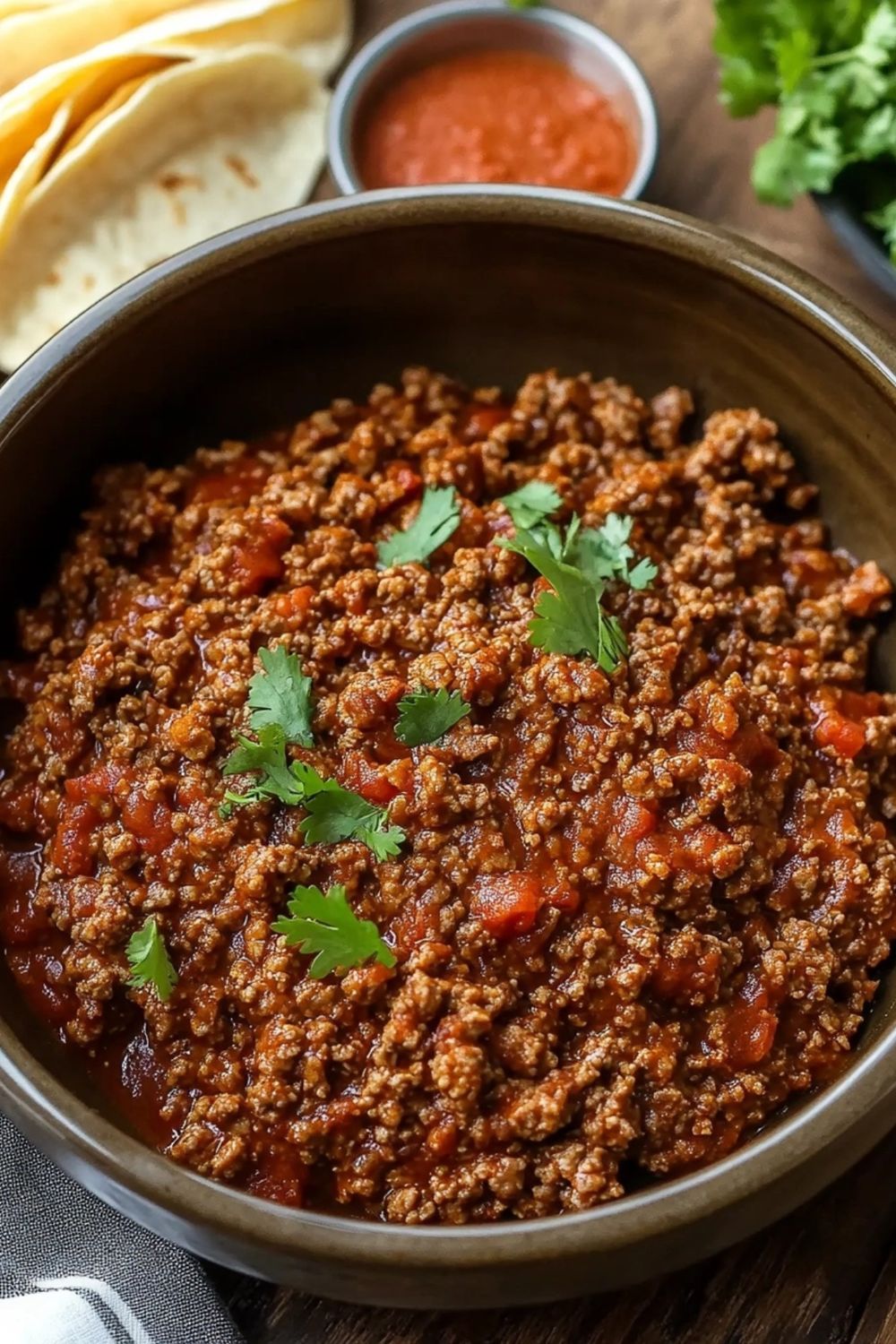
Beyond the Basics: Elevating Your Taco Meat Game
While the classic taco meat recipe holds a special place in our hearts and on our dinner tables, the world of taco fillings is vast and full of exciting possibilities. For many, taco meat is synonymous with seasoned ground beef, a staple that’s quick to prepare and universally loved. However, to truly master the art of the taco, it’s worth exploring how you can elevate this humble ingredient into a culinary masterpiece. This article delves into advanced techniques, innovative flavor combinations, and healthier alternatives that will transform your taco nights from good to unforgettable. We’re not just making taco meat; we're crafting an experience.
The beauty of homemade taco meat lies in its versatility. It's not just a filling for tortillas; it's a foundation for nachos, burritos, salads, and even hearty soups. Understanding the nuances of seasoning, protein choice, and cooking methods allows you to customize every bite, ensuring that your taco meat perfectly suits your taste and dietary preferences. Get ready to move beyond the packet and embrace the full potential of this incredible dish.
Unlocking Flavor Dimensions: Spice Blends and Secret Ingredients for Taco Meat
The secret to truly spectacular taco meat often lies in the seasoning. While pre-packaged taco seasoning offers convenience, crafting your own blend gives you unparalleled control over flavor depth, heat level, and sodium content. A foundational homemade spice mix typically includes chili powder, cumin, smoked paprika, oregano, garlic powder, and onion powder. But why stop there?
Crafting Your Signature Spice Blend
- Blooming the Spices: Before adding your meat, briefly toast your dried spices in a dry pan for 30-60 seconds over medium heat. This technique, known as blooming, releases their aromatic oils and deepens their flavor profile.
- Layering Aromatics: Always start your taco meat by sautéing finely diced onions and garlic until translucent and fragrant. For an extra kick, add minced jalapeños or serrano peppers. These fresh aromatics provide a crucial flavor base that dry spices alone cannot achieve.
Secret Ingredients for Next-Level Taco Meat
Ready to introduce some unexpected twists? These additions can transform your taco meat:
- A Touch of Cocoa Powder: A teaspoon of unsweetened cocoa powder might sound unusual, but it adds a subtle depth and richness, reminiscent of mole sauce, without making your meat taste like chocolate. It enhances the savory notes beautifully.
- Coffee or Espresso Powder: Similar to cocoa, a small amount of instant coffee or espresso powder can deepen the umami flavor and add a complex earthiness to your taco meat, especially with beef.
- Chipotle in Adobo Sauce: For smoky heat and a tangy depth, mash one or two chipotle peppers from a can of adobo sauce and add them to your meat while it simmers. The adobo sauce itself is packed with flavor.
- A Hint of Sweetness: A pinch of brown sugar or a drizzle of maple syrup can balance the heat and acidity, creating a more rounded flavor profile. Use sparingly to avoid overly sweet meat.
- Acidity for Brightness: A squeeze of fresh lime juice or a splash of apple cider vinegar at the very end brightens all the flavors, cutting through the richness and making your taco meat pop.
- Umami Boosters: A dash of Worcestershire sauce, soy sauce, or even a teaspoon of nutritional yeast can significantly amplify the savory umami notes in your taco meat.
Experimentation is key! Start with small additions and adjust to find the perfect blend for your palate.
Healthier Taco Meat Options: Guilt-Free Indulgence
Enjoying delicious taco meat doesn't have to mean compromising your health goals. With a few simple swaps and additions, you can create lighter, more nutritious versions that are just as satisfying.
Leaner Protein Choices
- Ground Turkey or Chicken: These are excellent alternatives to beef, significantly lower in saturated fat. When cooking ground turkey or chicken for taco meat, remember they can dry out more easily. Counter this by adding a bit more liquid (broth or salsa) during simmering, or incorporate finely grated zucchini or mushrooms for extra moisture and nutrients.
- Extra-Lean Ground Beef: If you prefer beef, opt for 90/10 or even 93/7 lean ground beef. Always drain any excess fat after browning to reduce the fat content further.
Incorporating Vegetables for Volume and Nutrients
Adding finely diced vegetables to your taco meat not only boosts its nutritional value but also extends the portion size without adding significant calories. Try incorporating:
- Bell Peppers: Red, green, or yellow bell peppers add sweetness, crunch, and vitamins.
- Zucchini or Yellow Squash: Grate them finely; they virtually disappear into the meat, adding moisture and nutrients.
- Mushrooms: Finely chopped mushrooms mimic the texture of ground meat and add a rich, earthy umami flavor.
- Carrots: Finely grated carrots add a subtle sweetness and a punch of vitamins.
- Corn and Black Beans: Stir these in at the end for extra fiber, protein, and texture.
Plant-Based Taco Meat Alternatives
For those seeking entirely plant-based options, the possibilities are delicious and diverse:
- Lentil Taco Meat: Cooked green or brown lentils seasoned with taco spices create a hearty, protein-rich filling.
- Mushroom and Walnut Taco Meat: Pulsed mushrooms and walnuts seasoned and sautéed offer a fantastic texture and umami depth.
- Crumbled Tofu or Tempeh: These can be crumbled, pressed, and seasoned heavily to absorb all the wonderful taco flavors.
- Textured Vegetable Protein (TVP): A dehydrated soy product that rehydrates quickly and absorbs flavors exceptionally well, mimicking the texture of ground meat.
- Store-Bought Plant-Based Grounds: Many brands now offer excellent plant-based ground "meat" that cooks up perfectly with taco seasoning.
By experimenting with these healthier choices, you can create a satisfying and flavorful taco meat that aligns with your wellness goals.
Mastering Texture and Consistency in Your Taco Meat
Beyond flavor, the texture and consistency of your taco meat play a crucial role in the overall eating experience. Nobody wants dry, bland crumbles or overly watery mush. Achieving the perfect balance involves attention to detail during the cooking process.
The Browning Process: Key to Flavor
The Maillard reaction, or browning, is essential for developing deep, savory flavors in your taco meat. To achieve optimal browning:
- Don't Overcrowd the Pan: Cook your ground meat in batches if necessary. An overcrowded pan will steam the meat rather than brown it, resulting in gray, boiled-tasting crumbles.
- High Heat to Start: Begin with medium-high heat to quickly sear the outside of the meat.
- Break Apart as it Browns: Use a wooden spoon or spatula to break the meat into desired crumble sizes as it cooks. For finer crumbles, a potato masher works wonders.
Balancing Moisture for Perfect Taco Meat
Once browned, the next step is to simmer your taco meat with liquids to infuse flavor and achieve tender consistency. This is where many home cooks either dry out their meat or make it too soupy.
- The Right Amount of Liquid: After adding your spices, stir in enough liquid (water, broth, tomato sauce, or salsa) to just cover the meat. This allows the flavors to meld and the meat to tenderize without becoming watery.
- Simmer, Don't Boil: Bring the mixture to a gentle simmer, then reduce the heat to low, cover, and let it cook for at least 15-20 minutes. This slow simmer allows the meat to absorb the seasonings and become incredibly flavorful and moist.
- Adjusting Consistency:
- Too Dry? If your taco meat looks dry, add a tablespoon or two of water, broth, or salsa and continue to simmer for a few more minutes.
- Too Wet? Remove the lid and let the meat simmer uncovered for the last 5-10 minutes, allowing excess liquid to evaporate until your desired consistency is reached.
- Finishing Touch: A final squeeze of lime juice or a sprinkle of fresh cilantro just before serving adds a burst of freshness and enhances the overall appeal.
By paying attention to these details, you'll consistently produce taco meat that is perfectly seasoned, moist, and delightfully textured, forming the ideal base for any taco creation.
Storing and Reheating Taco Meat: Meal Prep Made Easy
One of the many advantages of making your own taco meat is its excellent keeping quality, making it a fantastic candidate for meal prepping. Having a batch of seasoned meat ready to go can save you time on busy weeknights and open up a world of quick meal possibilities.
Proper Storage Techniques
- Cooling Quickly: Once cooked, allow your taco meat to cool down to room temperature relatively quickly before storing. Spreading it out on a baking sheet can help speed up this process.
- Refrigeration: Transfer the cooled taco meat into an airtight container. It will keep well in the refrigerator for 3-4 days. This makes it perfect for a few nights of varied meals.
- Freezing for Longer Storage: For longer-term storage, taco meat freezes beautifully.
- Portioning: Divide the meat into single-serving or family-sized portions before freezing. This makes thawing more efficient.
- Freezer-Safe Containers: Use freezer-safe bags (squeeze out as much air as possible to prevent freezer burn) or airtight containers.
- Labeling: Always label with the date. Frozen taco meat is best used within 2-3 months for optimal flavor and texture.
- Thawing: Thaw frozen taco meat overnight in the refrigerator or use the defrost setting on your microwave.
Reheating for Optimal Flavor and Texture
When reheating, the goal is to warm the meat thoroughly without drying it out. The method you choose can impact the final result:
- Stovetop (Recommended): This is often the best method for retaining moisture and flavor.
- Place the taco meat in a skillet over medium-low heat.
- Add a splash of water, broth, or even a tablespoon of salsa to reintroduce moisture.
- Stir occasionally until heated through. The added liquid will create a bit of steam, keeping the meat tender.
- Microwave: A convenient option for quick reheating.
- Place the meat in a microwave-safe dish.
- Add a tablespoon of water or broth and cover the dish with a lid or microwave-safe plastic wrap, leaving a small vent.
- Heat in 1-minute intervals, stirring in between, until hot. The cover helps trap steam and prevents drying.
- Oven (for larger batches or casseroles):
- Preheat oven to 300°F (150°C).
- Place meat in an oven-safe dish, add a bit of liquid, and cover tightly with foil.
- Heat for 15-20 minutes, or until warmed through, stirring once.
Reheated taco meat is incredibly versatile. Use it to quickly assemble fresh tacos, build a hearty burrito bowl, top a salad, or create easy nachos. Its convenience makes it a true kitchen hero!
Conclusion
From mastering intricate spice blends to embracing healthier protein options and perfecting cooking techniques, the journey to exceptional taco meat is both rewarding and delicious. We've explored how to infuse deeper flavors with secret ingredients, lighten up your meals with vegetable integrations and leaner choices, and ensure your meat boasts the ideal texture. Moreover, with practical tips for storage and reheating, your culinary creations can extend beyond a single meal, making meal prep a breeze. By applying these insights and daring to experiment, you'll consistently create taco meat that not only satisfies but truly impresses, cementing its place as a versatile and beloved staple in your kitchen.
